Bali Travel Guides & Tips
Bali rewards first‑time visitors and long‑stay guests alike when you arrive with realistic expectations, clear priorities, and an understanding of how the island actually works on the ground. Whether you are coming for a short escape on a bali luxury package, scouting longer stays, or even exploring property and business options, this guide gives you practical, current details so you can plan with confidence and avoid common pitfalls.
Where to Stay in Bali: Matching Areas to Your Style
Bali is not one single experience. Each area has a different pace, price level, and crowd. Choosing the right base can make or break your trip, especially on a packed itinerary.
South Bali Hubs
- Seminyak & Petitenget – Ideal for travelers who want sunset cocktails, design‑focused villas, and easy access to restaurants like Sarong, Mama San, and Motel Mexicola. Expect higher prices and heavier traffic, but also some of Bali’s most polished beach clubs and boutiques.
- Canggu (Berawa, Batu Bolong, Pererenan) – Popular with digital nomads and younger crowds. Beach clubs such as Finns and Atlas Beach Fest, plus cafes with strong Wi‑Fi, yoga studios, and co‑working spaces. Roads are narrow and can be congested at peak hours, so consider staying within walking distance of your most‑visited spots.
- Jimbaran & Nusa Dua – Suits families and visitors booking a quieter bali luxury package. Jimbaran offers laid‑back seafood restaurants on the beach, while Nusa Dua has large gated resorts, golf, and calm waters suitable for children.
- Uluwatu & the Bukit Peninsula – Known for surf breaks like Padang Padang and Bingin, towering cliffs, and iconic venues such as Single Fin and Savaya. Great for sunsets and cliff‑top villas, but steep terrain and steps can be challenging if mobility is an issue.
Central and North Bali
- Ubud – The center of wellness, arts, and rice‑field views. Expect yoga shalas, plant‑based restaurants, temple visits, and strong cultural offerings. A good base for retreats, long stays, and those who prefer cooler evenings away from the coast.
- Sidemen – Rice‑terrace landscapes and village life with far fewer crowds. Ideal for couples seeking quiet, trekking, and views of Mount Agung.
- Lovina & North Coast – Black sand beaches, calmer waters, and more budget‑friendly stays. Travel times from the south can be 3–4 hours, so it works best as a separate part of your itinerary rather than a day trip.
Typical Trip Budgets (Indicative 2026 Ranges)
Prices in Bali shift year to year and vary by location and season. The figures below are indicative only for 2026 and assume two people sharing.
| Category |
Indicative 2026 Daily Range (IDR) |
Indicative 2026 Daily Range (USD equivalent) |
Notes |
| Backpacker / Budget |
IDR 600,000 – 1,200,000 |
~USD 40 – 80 |
Guesthouse rooms, local warung meals, minimal activities. |
| Comfort / Mid‑range |
IDR 1,500,000 – 3,000,000 |
~USD 100 – 200 |
Nice hotel or simple villa, mix of local and international dining, scooter or car with driver. |
| High‑end |
IDR 3,500,000 – 8,000,000 |
~USD 230 – 530 |
Pool villa, spa treatments, beach clubs, private tours. |
| Luxury / Villa with staff |
IDR 8,000,000 – 25,000,000+ |
~USD 530 – 1,650+ |
Full‑service villas, private chef, premium cars, hosted experiences, or curated bali luxury package. |
These ranges exclude flights and long‑term visas. For more unusual itineraries, plan a buffer of 15–25% above your estimate to handle exchange‑rate changes and last‑minute upgrades.
Best Time to Visit and Crowds
Bali is technically a year‑round destination, but conditions differ strongly between seasons.
- Dry Season (roughly May–October) – Better for beach days, diving around Nusa Penida, and outdoor ceremonies. July–August and late December see the highest hotel rates, especially in Seminyak, Canggu, and Uluwatu.
- Rainy Season (roughly November–April) – Short heavy showers, greener rice fields, fewer tourists outside Christmas and New Year. Some surf breaks work better in this season, and spa days or cafe‑hopping become a natural part of your plans.
- Balinese Holidays – Key dates like Nyepi (Day of Silence) shut down the island for 24 hours: no flights in or out, streets empty, and guests remain within their accommodation. This can be magical if you are prepared, frustrating if you are not.
Transport, Drivers, and Safety
Distances on a map can be deceptive. A 10 km drive in Canggu may take 40–60 minutes at peak hours due to narrow roads and construction.
- Scooters – Common for short trips, but only consider riding if you have appropriate experience, a valid license that covers motorcycles, and proper insurance. Helmets and closed shoes are strongly recommended.
- Private Drivers – A good driver is often the most comfortable option, especially for Ubud and Uluwatu day trips. Indicative 2026 full‑day rates range from IDR 700,000 – 1,200,000 (around USD 45 – 80) depending on vehicle type and distance.
- Ride‑hailing Apps – Widely used in the south (Denpasar, Kuta, Seminyak) but face some restrictions around a few beaches and local taxi zones. Always check pickup points on the app.
Designing a Bali Luxury Package That Actually Fits You
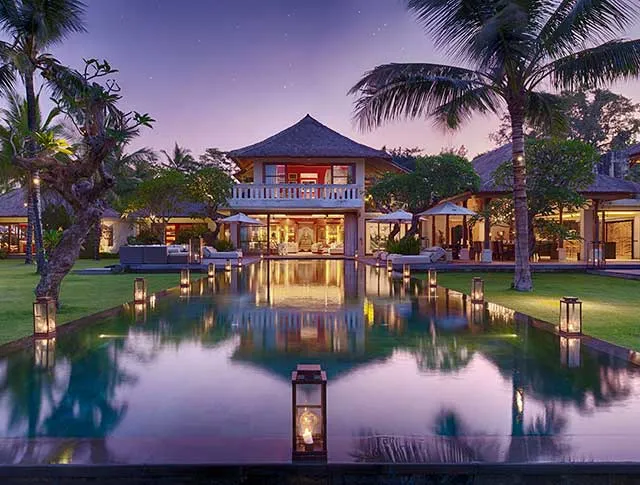
“Luxury” in Bali can mean many different things: a cliff‑top penthouse, a hidden eco‑villa in Sidemen, or a wellness retreat with multiple treatments per day. A smart bali luxury package focuses on the details that affect your daily comfort the most.
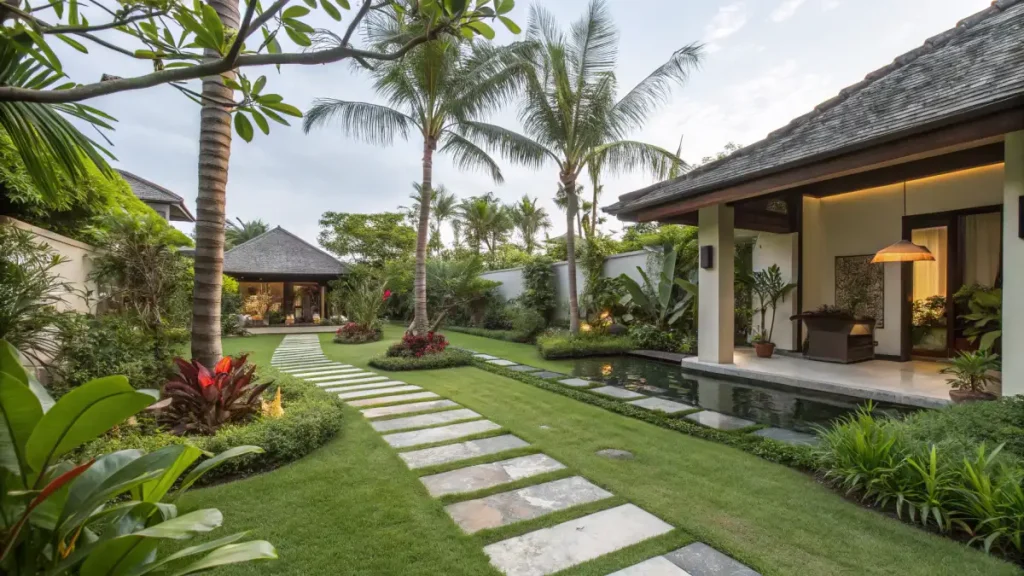
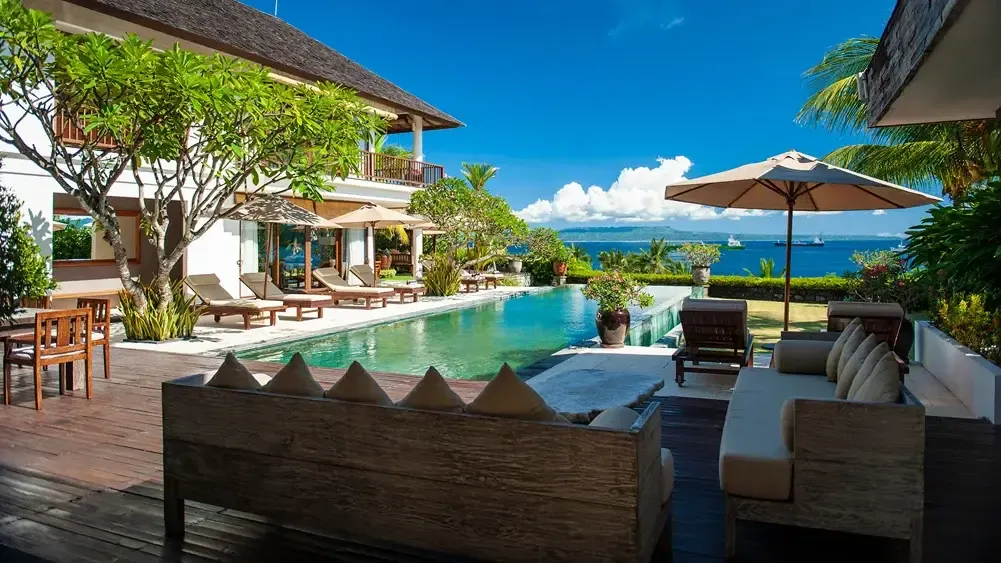
- Villa vs. Resort – Villas typically offer more space, privacy, and a private pool, often with a butler or housekeeping team. Resorts provide shared facilities, kids’ clubs, and on‑site restaurants. Think about how much you want to leave the property.
- Staffing Level – At the higher end, you may have a private chef, housekeeper, gardener, and driver on standby. Clarify whether staff are “shared” between villas in one complex or dedicated to your group.
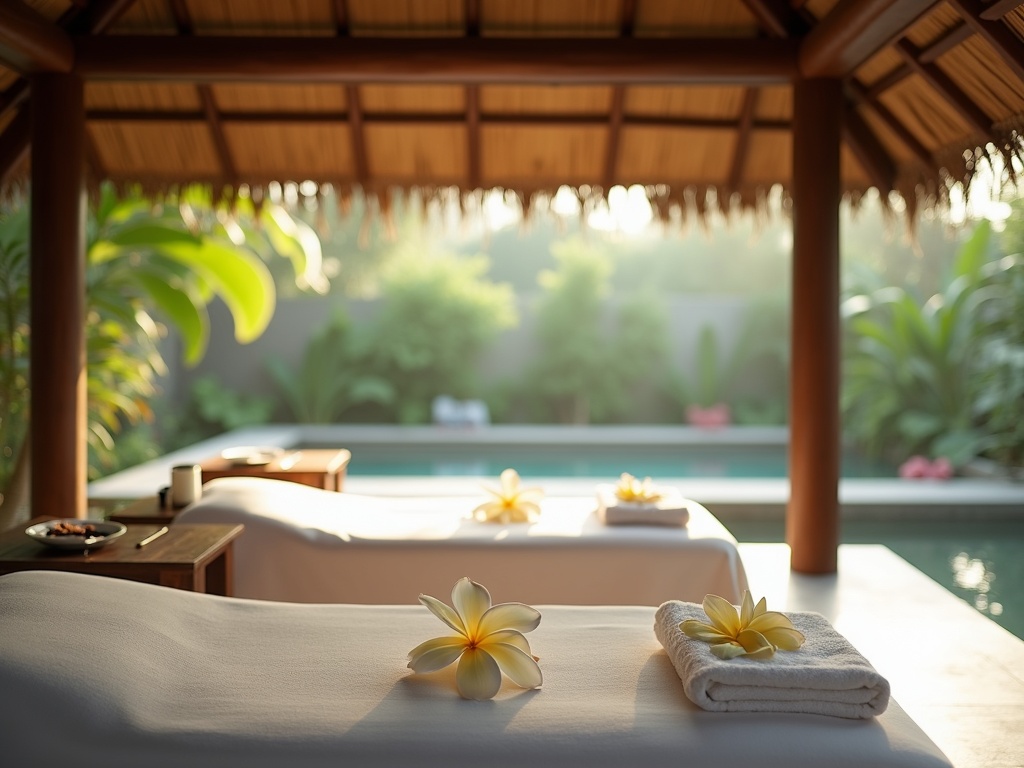
- Experiences – Popular inclusions are Balinese cooking classes, private temple visits with a local priest, sunrise treks on Mount Batur, and custom spa programs in Ubud. Ask for realistic travel times between experiences to avoid three‑hour drives in a single day.
- Food & Dietary Needs – Many luxury stays can handle vegan, gluten‑free, or halal requirements with advance notice. Share these details early so villa staff can shop appropriately.
Staying Longer: Legal Ownership, Visas, and Structures
Many visitors eventually think about longer stays or property. This section gives a high‑level overview only and is not legal, tax, or investment advice. Laws and local regulations can change; always consult a licensed notaris/PPAT, a qualified Indonesian lawyer, and a tax consultant before making commitments.
Key Property Concepts in Bali
Foreigners cannot directly own freehold land under their personal name in Indonesia. Instead, several structures and rights are used:
- Freehold (Hak Milik) – The strongest form of land ownership, reserved for Indonesian individuals and certain entities. Foreign individuals cannot hold Hak Milik directly.
- Leasehold – Common for foreign buyers in Bali. You pay for a long‑term lease (often 25–30 years, sometimes with extension options written into the contract). You hold a temporary “right to use” based on the lease, not ownership of the underlying land.
- Hak Pakai (Right to Use) – A formal right allowing the holder to use land, sometimes applied to apartments or villas within mixed developments and, under certain conditions, accessible to foreigners with valid permits.
- PT PMA (Penanaman Modal Asing) – A foreign investment company. Some investors use a PT PMA to hold Hak Guna Bangunan (Right to Build) and operate a villa business legally, employ staff, and pay the correct taxes. Establishing a PT PMA has capital, reporting, and licensing obligations.
Taxes and Transaction Costs
When you buy or lease property in Bali, there are several taxes and fees to consider. Indicative 2026 ranges for reference (subject to change):
- BPHTB (Bea Perolehan Hak atas Tanah dan Bangunan) – The land and building acquisition duty. Usually around 5% of the taxable acquisition value after certain deductions, often payable by the buyer under Indonesian practice.
- PPh (Pajak Penghasilan) Final Tax – Income tax on the seller’s side, often calculated as a percentage of the declared sale price (commonly around 2.5%). How this is handled in the deal should be clarified in writing.
- Notaris/PPAT Fees – The notary / land deed official prepares and certifies the deed of sale or lease agreement, checks certificates, and arranges tax payments. Typical professional fees might be 0.5–1.5% of the transaction value or a fixed fee depending on complexity.
An experienced notaris/PPAT will check the land certificate type, ensure that the seller has authority to transact, review the spatial plan (RDTR) where applicable, and confirm zoning suitability for your intended use.
Zoning and RDTR
Each area of Bali is covered by regional zoning plans that designate land for residential, tourism accommodation, agriculture, green belt, or commercial use. In some regencies an RDTR (Rencana Detail Tata Ruang – detailed spatial plan) map is available online or at the local planning office.
- If a property sits in a tourism accommodation zone, it is generally more suitable for villas, hotels, and guesthouses, subject to permits.
- If land is in a green belt or agricultural zone, your options may be limited to farming or low‑impact structures, and getting commercial licenses may be impossible.
- Always have your notaris/PPAT or legal advisor confirm current zoning in writing before paying a deposit.
Rental Income and Tax Considerations
Owners who rent out villas or guesthouses should understand that income is taxable in Indonesia. Some key points:
- Individual vs. PT PMA – A PT PMA operating accommodation typically charges guests 11% VAT (if applicable based on turnover thresholds and business classification) and pays corporate income tax on profits. An individual owner may have different obligations and rates.
- Withholding Taxes – Various withholding tax rules may apply to staff salaries, contractors, and certain services.
- Double Taxation – If you are a tax resident in another country, you may need advice on how Indonesian tax interacts with your home system.
A licensed tax consultant familiar with Indonesian rules and your home jurisdiction can review your structure so you understand the likely tax burden and reporting duties before signing anything.
Practical Tips for Smooth Stays
- Payments – Card acceptance is growing, but cash is still common in small warungs and parking areas. ATMs are widely available; use machines attached to banks when possible.
- SIM Cards & Data – Local SIM cards from providers like Telkomsel and XL are inexpensive and easy to obtain at the airport or in town. eSIM options are expanding and convenient if your phone supports them.
- Health & Insurance – Private hospitals in Denpasar and Kuta have modern facilities, but treatment can be costly without insurance. A travel policy that covers scooters (if you ride) and adventure activities is strongly recommended.
- Respecting Local Culture – Balinese ceremonies are frequent and can temporarily block streets. Drivers may re‑route you or ask for patience while processions pass. Dress modestly for temples: shoulders covered and a sarong with sash.